How to Size a Binder: Full Guide to Fit, Safety, and Getting the Right One
A binder is a compression garment designed to flatten chest tissue in a way that helps reduce gender dysphoria and support gender affirmation. It works by redistributing soft top tissue across the chest and upper torso to create a flatter appearance. A binder does not permanently change your body, and its effects are temporary and reversible.

So what is a binder?
Binders are garments used to flatten the chest to create a more traditionally masculine appearance for people with breasts, which will be referred to below as “chest” or “chest tissue.” They are commonly used by nonbinary, transmasculine, and gender nonconforming individuals, often as an alternative to wearing a bra.
Because binders apply compression to the chest and ribs, correct sizing and safe use are essential. The right binder should feel snug and secure while still allowing full breathing, movement, and circulation! Binders were designed to fit comfortably and to help you safely achieve a more affirming look.
A well-fitted binder will compress & flatten the chest by distributing your chest tissue under the compression panel
A binder will not eliminate all evidence of chest tissue or completely flatten your chest
The degree of flatness one experiences is related to a few factors, the amount of chest tissue and the consistency/malleability of the chest tissue.
Not everyone will share the same degree of flatness.
These binders are designed to fit as many bodies as possible- will not always be 100% right for every body
Understanding binder sizing
Binder sizing is not universal. Each brand uses its own chart, and sizes are not interchangeable between companies. A medium in one brand may fit like a small or large in another.
Most binders are based on:
Chest circumference (full chest measurement)
Underbust measurement
Sometimes shoulder width or torso length
Many people fall between sizes, which is normal. In those cases, comfort and safety should always take priority over compression level. It’s often recommended to go up a size if you are between sizes or if you have common health and breathing issues!
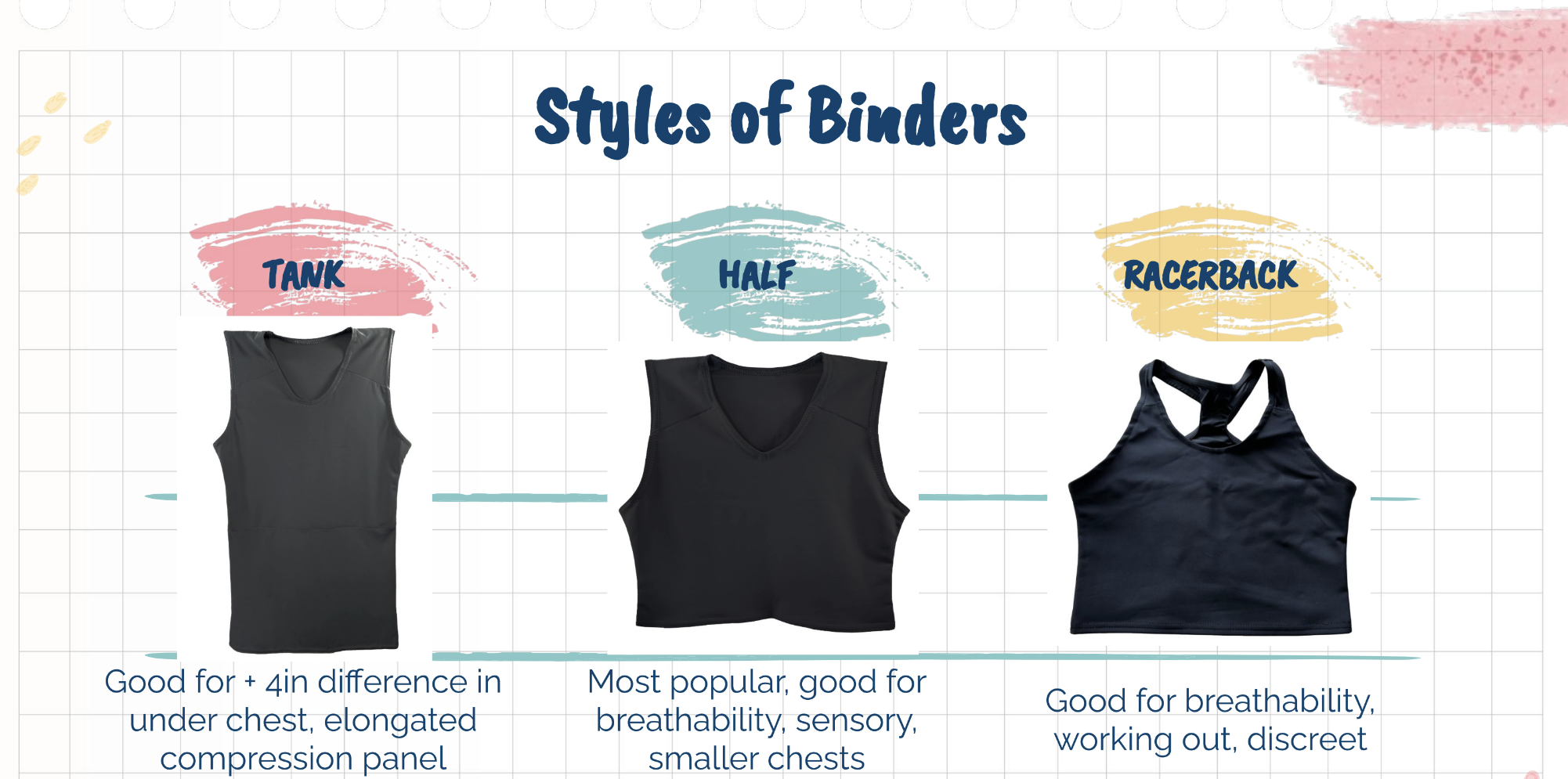
There are also different styles and sizes of binders, including:
Half binders (stop around the ribs, more breathable)
‘Tank’ or Full length binders (extend to hips for more even compression)
‘Racerback’, or Sports style binders (lighter compression, more flexible)
Swim binders (designed for water use, if explicitly labeled safe for it)
Choosing the right style matters just as much as choosing the right size.
Before Measurement
Ready to size yourself? Check the following:
Physical readiness check
Check in with your body and comfort level before starting. Avoid binding or any compression garments during measurement, and have only a bra or just your chest. Do not wear baggy clothing, as it can affect accuracy!
Sizing awareness
Binder sizes are not the same as standard clothing sizes. Always use the specific brand sizing chart, such as the gc2b size guide, along with any provided sizing videos or instructions. Many companies also include informed consent information that is important to review before purchasing or using a binder.
Emotional check-in
Take a moment to notice how you are feeling. Ground yourself if needed before continuing. This can help make the process feel more manageable and less stressful.
Tools for measuring
Use a mirror or ask a trusted friend if possible for support and accuracy. Helpful tools include garment measuring tape, string and a ruler, and paper with a pen to record measurements.
How to take accurate measurements
Use a soft measuring tape if possible. If not, a string and ruler can work. Trans Affirm can measure you at in-person events if you cannot measure yourself!
1. Full chest measurement
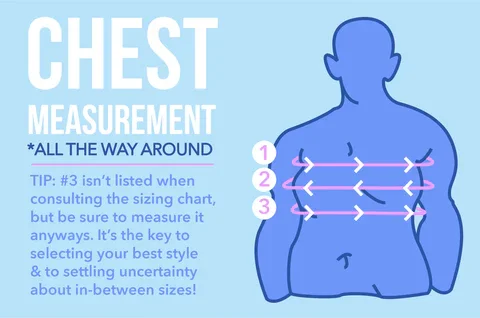
Wrap the tape around the fullest part of your chest. Keep it level and relaxed. Do not pull tightly.
2. Underbust measurement
Measure directly under the chest where a bra band or binder band would sit. This is one of the most important sizing points.
3. Shoulder width
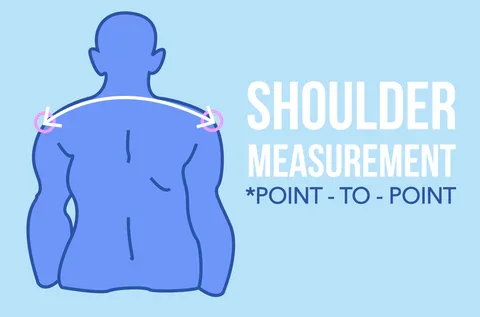
Measure across your upper back from one shoulder edge to the other.
4. Torso length (optional but helpful)
Measure from the top of your shoulder down to where you want the binder to end.
How to choose the correct size
Once you have your measurements:
Compare them directly to the brand’s sizing chart
Do not use t-shirt size or general clothing size as a guide
Do not size down for “extra flattening”
If you are between sizes:
For everyday wear, choose the larger size for safer compression
If unsure, prioritize breathing comfort over appearance
A properly fitted binder should feel snug but not painful or restrictive
A binder that is too small can cause rib injury, breathing restriction, skin damage, and long term pain!
Need more help? Watch a video here!
What a safe binder should feel like:
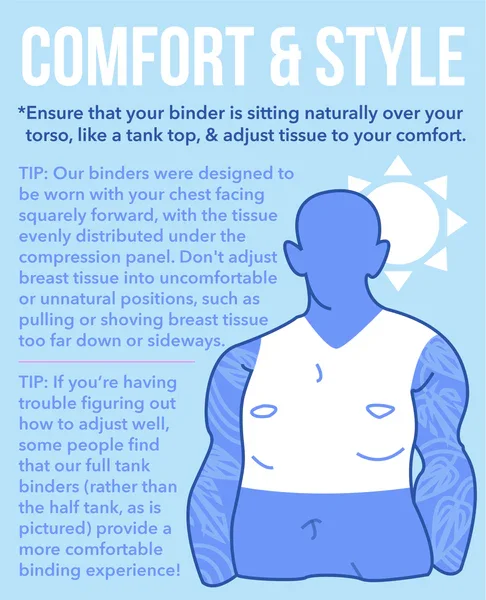
A correctly sized binder should:
Allow you to take full, deep breaths
Let you move your arms freely
Sit flat without digging into skin
Feel tight but not painful
Be wearable for several hours without discomfort
It should never feel like you are being squeezed or compressed to the point of strain.
Stand up straight, turn your body
Safe wear guidelines
Even a perfectly sized binder must be used safely.
Wear for a maximum of 6 to 8 hours per day OR what works best for your body!
Take regular breaks when possible
Do not sleep in a binder
Remove immediately if you feel pain, dizziness, or shortness of breath
Avoid heavy exercise unless the binder is explicitly designed for athletic use
Wash regularly to avoid skin irritation
Signs your binder is too SMALL:
Difficulty getting it over your shoulders
"Spillage" of tissue out of the top, sides, or bottom
Pain/discomfort after less than 8 hours of wear
Tingling in arms or fingers
Dizziness or lightheadedness
Difficulty breathing
Red marks anywhere from it digging into the skin
Tightness or pressure around your ribs or chest
Signs your Binder is too BIG:
You have to readjust your binder often
Very loose shoulder straps
There are large gaps around your armpits/shoulders
Your binder fits like a regular tank top/doesn't bind
Signs your binder is a good fit:
You’re able to get over your head & shoulders without pain or discomfortable to take full deep breaths without any trouble
no pain, excessive discomfort, not digging into your skin.
access your full range of motion without discomfort or difficulty breathing
stretch your arms up, to the side, behind you, and down
Move around, bend over, lift things, take stairs, as usual
Should feel like a snug gentle hug, not too tight
Unsafe binding methods and risks
The right size binder & safe binding practices significantly mitigate the risk of harm. Folks can bind safely for as many years as they need to, as long as they are wearing the right size binder and listening to their bodies. Yet binding can cause stress to the body and is not without risk. Wearing a binder that is too small and not following the safety guide can risk long-term damage.
Do NOT use:
Duct tape or packing tape
Can damage skin when removed
Restricts expansion of the chest
Can cause bruising, tearing, and long term tissue damage
Ace bandages or elastic wraps
Designed to tighten, not compress evenly
Can tighten further as you move or breathe
High risk of rib injury and breathing restriction
Front-clasp or side-clasp binders & substitutes
Not designed for proper and safe compression
Can create uneven pressure
Often worsen dysphoria and cause discomfort rather than safe flattening
Multiple sports bras layered tightly
Sometimes used as an alternative, but still not ideal
Can restrict breathing if over layered
Not a substitute for a properly fitted binder
If a binder is not available, a properly fitted sports bra alone is generally safer than unsafe compression methods listed above. Improper binding can result in:
Restricted breathing and reduced lung capacity
Rib pain, bruising, or rib fractures over time
Skin irritation, rashes, or broken skin
Nerve compression causing numbness or tingling
Back, shoulder, and chest muscle strain
Fainting or dizziness from restricted oxygen intake
Long term chest or rib deformation with prolonged misuse
Worsening of asthma or other respiratory conditions
Increased risk of overheating and heat exhaustion
Damage to top surgery results

Where to get binders?
Some commonly used and trusted options include:
These brands vary in compression style, fabric, and sizing, so always check their individual sizing guides carefully.
Community organizations and nonprofits, including Trans Affirm, may also provide binders through events or resource distributions when available.
When to seek help with sizing
You may want support if:
You are between sizes on a chart
You are unsure which binder style fits your body best
You experience discomfort when trying a binder
You are trying binding for the first time
Getting a second opinion or community support can help avoid unsafe choices and improve comfort.
Final safety reminder
A binder should support your wellbeing, not compromise it. Compression should never come at the cost of breathing, circulation, or rib health. A well-fitting binder is one that helps you feel affirmed while still allowing your body to function safely and normally!!!